

Your Job Inventory Knows More Than You Think. Now You Can Ask It.
For the first time, the intelligence locked inside your organization's job descriptions is accessible as a live, queryable workforce intelligence system. Ask questions. Get answers. Make strategic decisions that competitors still working from scattered documents simply cannot.
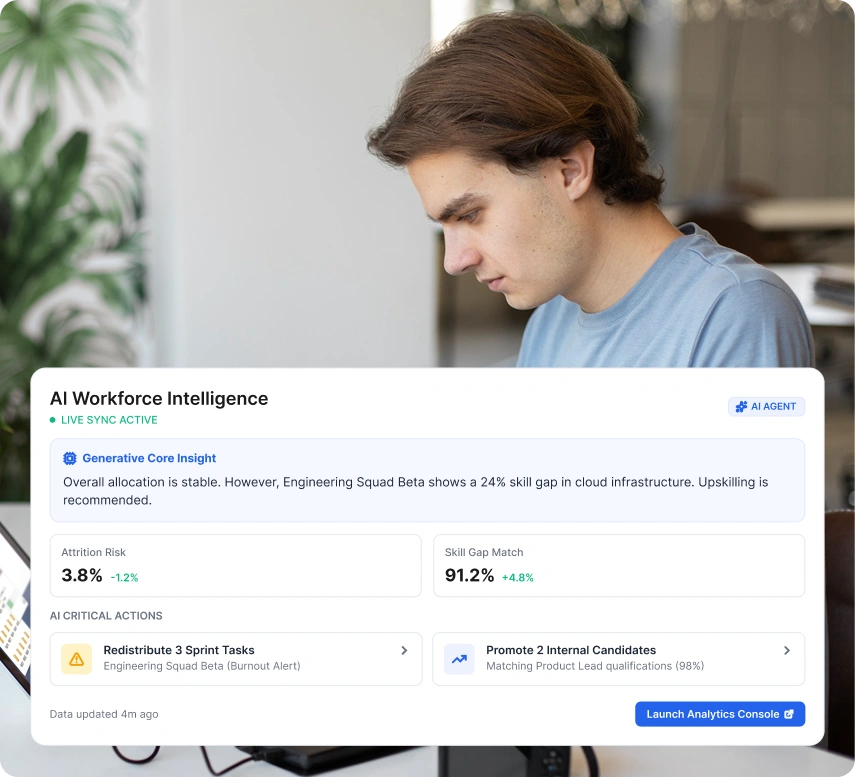
The untapped intelligence inside your job architecture
Your job descriptions are a rich, underutilized source of strategic workforce intelligence. They detail your organization's required capabilities, skills, and structure. Because this data is typically buried in standard documents and shared drives, answering vital questions about skill gaps or AI adoption has always required a slow manual research project. Someone had to pull files, read them, and build spreadsheets. The resulting conclusions were stale before the leadership meeting even started.
Moving to digitized, structured job data completely removes this infrastructure barrier.
What's been impossible to answer until now:
Without a searchable job inventory, finding skill gaps requires manually reading hundreds of job descriptions to spot broader patterns. Because the manual process is so painful, most organizations either never attempt it or execute it poorly and never try again.
Title creep is one of the most common but invisible structural problems in growing companies. By the time leadership spots it without system alerts, inflated titles are already deeply embedded in compensation structures, career paths, and employee expectations.
While every CEO is asking this, almost none can answer it systematically using their own internal job data. As a result, leaders are forced to make critical AI strategy decisions without actually knowing their baseline.
Historically, answering this required expensive consultants and lengthy engagements that delivered findings too late to act on. Organizations that can instantly pull this answer from their own data gain a massive, immediate structural advantage over their competitors.
What It Costs to Lead Without This Intelligence
Skill gaps go undetected until they become crises
Organizations that can't systematically analyze their job architecture for skill coverage don't spot gaps in advance. Instead, they find out when a strategic initiative stalls, a product launch gets delayed, or a competitor moves faster on a capability the business never built. By that point, the talent gap has already escalated into a full-blown business crisis.
Title inflation erodes comp integrity and career frameworks
Unchecked title inflation creates a domino effect across your organization. Pay grades compress, and career frameworks quickly lose their value. Top performers grow frustrated when their titles don't reflect their true market seniority. This leaves your compensation team with a structural headache that takes years to fix, inevitably leading to difficult conversations with staff who were handed inflated titles just to keep them from leaving.
AI strategy built on assumptions, not data
Boards and leadership teams are under constant pressure to demonstrate AI adoption and workforce readiness. Simply guessing your workforce's AI capabilities leaves you without a solid path forward. Organizations that can answer this question using actual job data will make smarter investments, move faster, and report to stakeholders with total confidence.
Competitors who can answer these questions faster will move faster
Workforce agility is a powerful market differentiator. Organizations that instantly spot capability gaps and realign their talent adapt much faster than the rest of the market. Relying on your own job inventory for immediate strategic answers gives you a profound head start against companies stuck in six-month consulting cycles.
Strategic consulting spend that doesn't need to happen
Organizations spend a significant amount of money paying HR consultants to uncover insights from job data they already own. The problem is simply that the current data is too disorganized for internal teams to analyze. Making your job data fully queryable allows your team to pull these insights directly, significantly cutting down on external consulting fees.
Unlock the strategic value of your job inventory
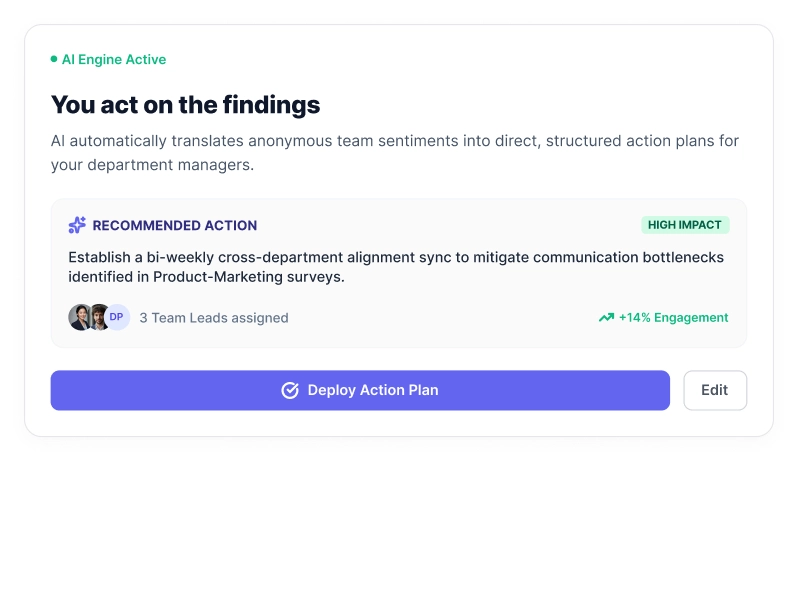
When your job descriptions are digitized in a structured system and accessible to AI, the strategic questions that used to require months of manual research can be answered in minutes on demand, by the people who need the answers.
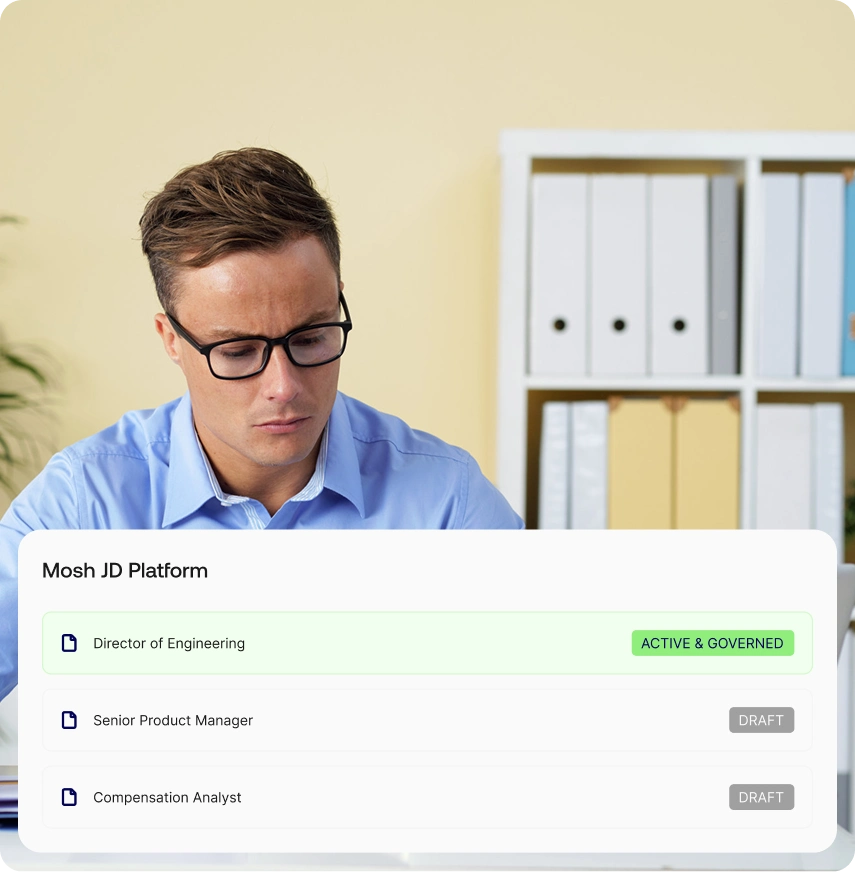
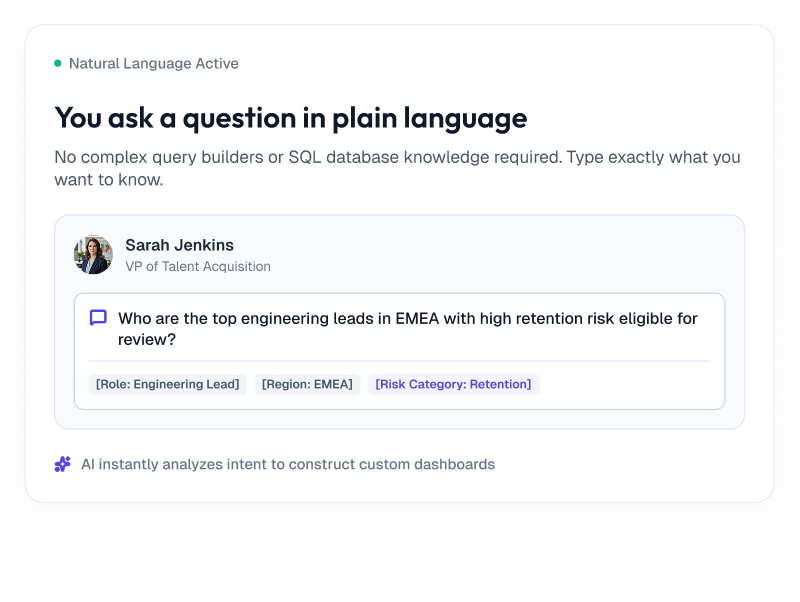
Prompt the AI directly in plain language and get synthesized insights drawn from your entire job inventory. No analyst required. No consulting engagement. No waiting.
Understand what your organization is built to do versus what it needs to do across departments, levels, and functions with enough lead time to act on the findings.
Identify where title inflation, level compression, or structural inconsistencies have crept into your job architecture before they are embedded in comp structures and expectations that are expensive to unwind.
Analyze how AI skills, tools, and requirements are represented across your job inventory by function, by level, by business unit and use that data to inform AI strategy, hiring priorities, and workforce investment decisions.
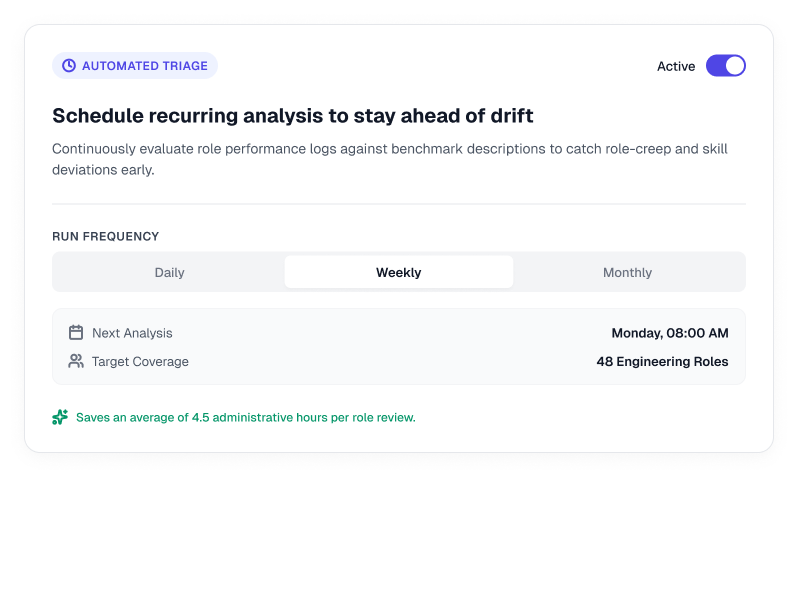
The strategic insights that once required lengthy consulting engagements are now available instantly from internal data. This capability secures invaluable operational time savings and serves as a continuous competitive advantage for the organization.
How Mosh JD Turns Your Job Inventory Into a Workforce Intelligence System
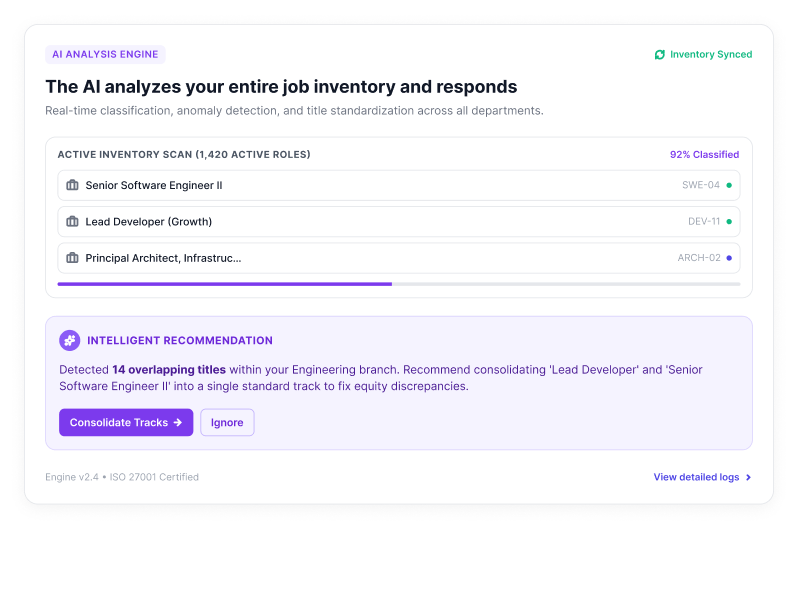
The main issue has always been the infrastructure itself. You can't run a quick search across job descriptions when they're scattered across Word documents and shared folders. A person has to read each one manually. Mosh JD upgrades how you store this data. By digitizing your files into a structured database, our AI can synthesize all the information simultaneously and respond to your questions in everyday language.
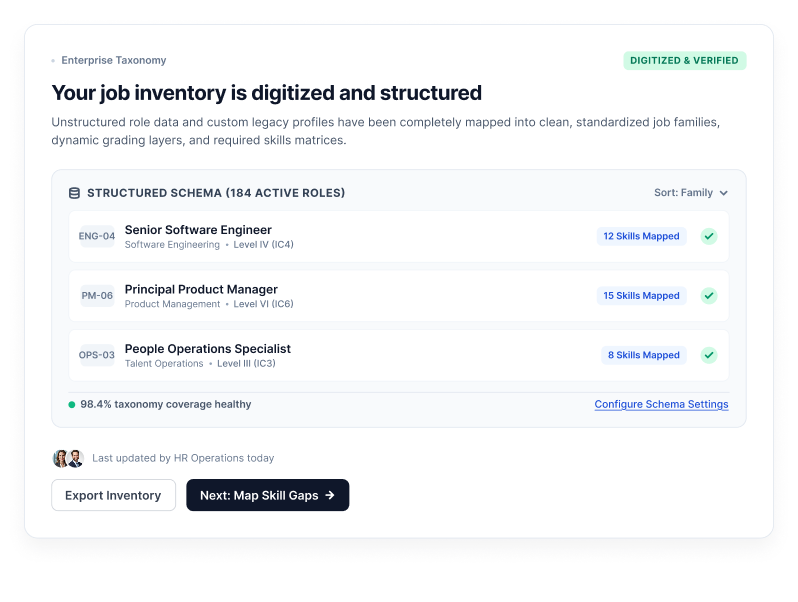
Your job inventory is digitized and structured
Mosh JD doesn't store your job descriptions as flat files. They're built as structured data organized by field, level, function, and metadata. Because the AI can read this data with complete context, it creates the foundation that powers everything else.
Questions Your Job Inventory Can Now Answer
Here is a sample of what organizations are asking and what they are learning.
"What capabilities are we systematically missing across our product and engineering organizations?"
Understand where your job architecture has coverage gaps relative to your strategic direction by function, level, or business unit. Stop discovering skill gaps when a project stalls and start seeing them while there is still time to hire, develop, or restructure.
"Where has title creep taken hold in our organization?"
Identify roles where titles have inflated beyond their actual scope and responsibility level, and understand the downstream impact on your comp structure, career frameworks, and internal equity before it becomes a retention or pay equity problem.
"How deeply has AI penetrated our workforce requirements and where are the gaps?"
Analyze how AI skills, tools, and capabilities are represented across your job descriptions by function, level, and business unit. Know where your workforce is AI-ready and where investment is needed from your own data, not a consultant's survey.
"Does our current job architecture reflect the organization we're trying to build?"
Compare your existing job structure against your strategic priorities. Identify where you are over-indexed on roles that are becoming commoditized and under-indexed on capabilities that will differentiate you in three years.
"Are our job descriptions accurate enough to produce defensible comp benchmarks?"
Surface inconsistencies in how roles are described across the organization before those inconsistencies corrupt your salary survey matches and create pay equity exposure.
"Are we building the capabilities we need to compete, or are we structured for the market of five years ago?"
Use your job inventory as a lens on organizational readiness. Organizations that can answer this question using internal data, rather than waiting for a consulting engagement, move faster and allocate talent investments more precisely.
Answering these questions faster is how organizations win
True workforce agility creates a clear divide between proactive and reactive organizations:
Organizations still managing job descriptions in Word docs and shared drives can't access the insights they already own. They're forced to make major talent decisions without being able to ask basic questions of their data.
This competitive divide is growing fast. Organizations that digitize their job infrastructure build a compounding advantage in both decision quality and execution speed.
Mosh JD places organizations on the winning side of that equation.
Seeing a capability shortage coming
versus discovering it only after a competitor moves.
Answering the board's AI readiness questions
with data, versus relying on unbacked confidence.
Entering strategic planning
with instant workforce intelligence, versus waiting months for a custom study.
What HR Teams Are Saying
A job description platform that just works.
“Finally, a job description platform that just works. Mosh JD was incredibly easy to learn, the usability is fantastic — it’s a breath of fresh air compared to the overly complicated systems we’ve looked at.”

— Collette, VP of HR
I can’t recommend Mosh JD more!
“I’ve been in HR since 2006 and used several different JD management tools over the years and I can’t recommend Mosh JD more! The tool itself is super slick and the guys building and supporting the tool are all about customer service.”

— Nick Howell, CCP, PHR, SHRM-CP
Powerful without being overly engineered.
“We were looking for a solution that wasn’t bloated with unnecessary features, and Mosh JD hit the sweet spot. It’s powerful without being overly engineered — exactly what our lean HR team needed.”

— Elizabeth, VP of Total Rewards
There’s intelligence in your job data. Use it.
Leadership teams can now answer strategic questions about skill gaps, AI readiness, title architecture, and competitive capability using their own data on demand.